NEWS.JETZT
Stay Ahead with MR. NEWS Your Real-Time News Hub
Uncover the Latest Stories as They Happen – Informed, Engaged, Empowered
LMR. NEWS
MAGAZINE RADIO NEWS NETWORK COMPAY
Germany 2025: Youth Culture, Rising Far-Right Concerns, and Economic Outlook Shape Nation's Future
As Germany navigates through the early months of 2025, the country finds itself at a crossroads of cultural transformation, economic challenges, and political shifts. While Friedrich Merz's conservatives celebrate their recent electoral victory, far-right movements continue to gain unprecedented traction, sending ripples through German society. Meanwhile, youth engagement initiatives, tourism forecasts, and evolving food trends paint a complex picture of a nation in transition. This comprehensive report examines the multifaceted developments shaping Germany in 2025.
Youth Culture Takes Center Stage as Cities Combat Demographic Challenges
Germany is witnessing a renewed focus on youth engagement as several cities implement strategic initiatives to address the exodus of young people. Chemnitz, the 2025 European Capital of Culture alongside Slovenia's Nova Gorica, exemplifies this nationwide challenge. The city has been grappling with severe demographic issues as young residents continue to relocate elsewhere, exacerbating political polarization within the community.
In response, the German Federal Cultural Foundation has launched "Youth Culture Chemnitz," an ambitious program running until 2029 that aims to develop artistic projects specifically for and with young people. The initiative has established a dedicated meeting space called the "Dezentrale," serving as a hub for the complete spectrum of youth culture in the city. Three "Future Curators" will collaborate with international partners to implement up to 15 new artistic productions where young people under 30 can express their views and concerns.
This focus on youth engagement extends beyond Chemnitz. Berlin will host the Connected Audience Conference from May 21-23, 2025, centering on the theme "Culture & Young People - What Could Possibly Go Wrong? Factors, Challenges and Opportunities of Cultural Participation for Youth." The conference acknowledges the vital role cultural activities play in adolescent development, bringing together cultural professionals, researchers, and policymakers to discuss strategies for meaningful youth engagement.
The Institute für Kulturelle Teilhabeforschung in collaboration with the Institute for Learning Innovation will facilitate discussions on understanding young people's cultural experiences, values, and preferences to shape meaningful experiences and mutual learning opportunities. These initiatives reflect a growing recognition that youth participation is essential not only for cultural organizations' innovation but also for supporting healthy adolescent development and self-determined lifestyles.
German Food Industry Faces Challenges While Consumers Embrace New Trends.
The German food market continues to navigate economic headwinds in 2025, with only modest growth projected. According to recent economic reports, the market anticipates reaching approximately €231 billion in turnover this year, with dairy products and eggs representing the largest segment at around €41 billion. Despite challenging conditions, analysts forecast annual sales growth of 3.62% through 2029, potentially expanding the market volume to €267 billion.
The food industry's recovery remains uneven. While the Federal Association of the German Food Industry reported a slight sales growth of 2.1% year-over-year in late 2024, this increase was driven entirely by foreign markets, as domestic sales declined. The production index showed modest improvement, but the overall business climate remains negative.
Consumer behavior is evolving rapidly in response to economic pressures and changing preferences. The share of online food retail, though still relatively small at 4.0% in 2024, continues its steady growth trajectory and is expected to reach 4.7% in 2025. The out-of-home dining sector has finally recovered from pandemic-related losses, exceeding pre-pandemic figures for the first time in 2024 with sales of €58.4 billion, compared to €54.6 billion in 2019.
Meanwhile, German consumers are increasingly embracing flexitarian diets that prioritize plant-based foods without completely eliminating meat, according to a comprehensive nutrition trends report based on analysis from 199 experts. This approach offers flexibility while addressing both health and sustainability concerns.
Other significant food trends shaping 2025 include personalized nutrition plans facilitated by technology, growing demand for sustainable and climate-friendly food options, increasing popularity of functional foods with added health benefits, rising interest in alternative protein sources, and a return to natural, minimally processed foods.
Tourism Industry Anticipates Strong Growth Despite Economic Uncertainties.
Despite broader economic challenges, Germany's travel sector maintains an optimistic outlook for 2025. The German Travel Association forecasts stable revenue growth of six percent year-on-year for the holiday and leisure travel market during the tourism year 2024/25, which began on November 1, 2024, and continues through October 31, 2025.
Total expenditure on pre-booked travel services is projected to reach €85 billion, encompassing both package tours and individually planned holidays. Approximately half of this market is generated by tour operators offering package and modular tours. While spending increases, the number of travelers is expected to remain consistent with previous years at around 139 million.
For the current winter season ending April 30, travel spending is anticipated to increase by six percent to €27 billion, despite a slight one-percent decline in traveler numbers to approximately 45 million. Medium-haul destinations around the Mediterranean are experiencing continued growth, while long-haul travel and cruises maintain stable high demand. Popular winter destinations showing stronger bookings include the Canary Islands, Turkey, and Egypt.
The summer 2025 forecast appears particularly promising, with significant advance bookings for both tour operator packages and individual trips. The industry projects sales growth of five percent, reaching €58 billion for the combined tour operator and individual travel market. Mediterranean vacation spots such as Turkey, Spain, and Greece, along with oceanic cruises, remain highly sought-after destinations. Approximately 94 million travelers are expected this summer, matching the numbers from summer 2024.
Far-Right Extremism Surges to Record Levels Amid Political Transition
Germany faces alarming growth in far-right extremism, with police recording over 33,000 crimes motivated by far-right ideology in 2024—the highest count since record-keeping began in 2001. This represents at least a 17.34% increase from 2023's previous record of 28,945 such crimes. These statistics, which only include data through November, likely underestimate the actual figure.
The documented offenses primarily involved propaganda crimes (21,311 cases) and incitement to hatred (5,097 cases). More disturbingly, 1,136 incidents qualified as acts of violence, predominantly resulting in physical injuries. Experts caution that the true numbers may be higher, as many offenses go unreported.
This surge in far-right activity coincides with significant political shifts following Germany's recent election. While Friedrich Merz's conservatives emerged victorious, they secured less than 30% of the vote. More concerning to many observers is the record performance by the far-right Alternative for Germany (AfD), which has become the second-largest political force in the country.
Merz, now positioned to become Germany's next chancellor, faces the challenge of forming a coalition government amid this polarized landscape. His leadership approach has raised eyebrows, with some critics noting his willingness to take risks and his past flirtations with far-right positions.
In a related development, German authorities recently sentenced five individuals to prison for plotting to kidnap a German minister. The group's alleged objective was to create civil war-like conditions and overthrow the government, further highlighting the ongoing threat of domestic extremism.
Security Concerns Mount Following Tragic Vehicle Attack
German authorities continue investigating after a car drove into a crowd, resulting in two fatalities and multiple injuries. Police have arrested one suspect, identified as a German man, though details about motives remain limited. This incident has heightened security concerns nationally, particularly in light of recent political tensions.
The attack comes as Germany's likely chancellor-to-be, Friedrich Merz, announced plans to raise hundreds of billions of euros in extra defense spending, promising to do "whatever it takes" to strengthen national security. This initiative signals a potential shift in Germany's traditionally cautious approach to military expenditure.
Europe editor Katya Adler suggests Merz's election heralds "a new era for Europe without the US as a key partner," indicating potentially seismic shifts in transatlantic relations. These developments occur against the backdrop of Germany's evolving political landscape, where traditional "firewall" policies that have historically prevented mainstream parties from cooperating with far-right groups face unprecedented pressure.
Cultural Scene Vibrant Despite Social Challenges
Despite political and social tensions, Germany's cultural landscape remains dynamic. Beyond Chemnitz's European Capital of Culture designation, the country continues to offer rich cultural experiences. Bremen's Christmas markets have recently garnered attention for their distinctive culinary offerings, including traditional treats like marzipan potatoes and mulled wine, highlighting Germany's enduring cultural traditions.
The current cultural scene also reflects ongoing tensions related to the Middle East conflict, with several controversies emerging around artistic expressions addressing these complex issues. These discussions illustrate how Germany's cultural institutions continue to serve as forums for navigating difficult social and political questions.
As Germany moves further into 2025, these intersecting trends in youth engagement, food consumption, tourism, politics, and culture will continue to shape the nation's trajectory. The success of initiatives like Youth Culture Chemnitz and the Connected Audience Conference may prove crucial in addressing demographic challenges, while responses to far-right extremism will test the resilience of Germany's democratic institutions. Meanwhile, economic indicators in the food and tourism sectors offer cautious optimism amid broader uncertainties.
The coming months will reveal whether Germany can effectively balance these competing forces while maintaining its position as a European leader in cultural innovation, economic stability, and democratic governance.
About Us
NEWS.JETZT is an acronym that stands for "Junge Erwachsene, die Zukunft gestalten" in German, which translates to "Young adults shaping the future" in English. It is often associated with initiatives or programs aimed at empowering young people to take an active role in societal and political processes.
NEWS.JETZT delivers the latest updates in real time, ensuring you stay informed on current events. Our commitment to accurate and timely news allows you to grasp the stories shaping our world today. Join us for fast, reliable, and engaging reporting.
Youth-Led Climate Strikes Gain Momentum Worldwide
In a powerful display of solidarity, young activists across the globe organized climate strikes, demanding immediate action from governments to combat climate change. The movement, spearheaded by organizations like Fridays for Future, saw thousands of young people take to the streets, advocating for sustainable policies and renewable energy initiatives. This grassroots effort emphasizes the critical role young adults play in shaping environmental policies and holding leaders accountable.
Gen Z Voters Turn Out in Record Numbers for Local Elections
Recent local elections in several countries have shown a significant increase in voter turnout among Gen Z. Young voters are increasingly aware of the impact of local governance on issues such as education, healthcare, and climate change. Organizations like Rock the Vote and Vote.org have been instrumental in mobilizing young people, providing resources and information to ensure they understand the importance of their vote. This trend indicates a growing engagement of young adults in the political process
Young Entrepreneurs Innovate for Social Change
A new wave of young entrepreneurs is emerging, focusing on social impact and sustainability. Startups led by individuals under 30 are tackling issues such as food waste, mental health, and access to education. For instance, a group of young innovators launched a platform that connects local farmers with urban consumers, promoting sustainable agriculture and reducing food waste. These initiatives not only create jobs but also empower young adults to take charge of their communities' futures.
Youth Advocacy Groups Push for Mental Health Reform
In response to the growing mental health crisis exacerbated by the pandemic, youth advocacy groups are calling for comprehensive mental health reforms. Young leaders are lobbying for increased funding for mental health services in schools and communities, emphasizing the importance of accessible care. Their efforts have led to discussions in legislative bodies, showcasing how young adults can influence policy changes that directly affect their well-being.
Digital Activism: Young Adults Harness Social Media for Change
Young adults are increasingly using social media platforms to advocate for social justice, equality, and political reform. Campaigns like #YouthForChange have gained traction, with young activists sharing their stories and mobilizing support for various causes. This digital activism not only raises awareness but also encourages peers to engage in discussions about societal issues, demonstrating the power of young voices in shaping public discourse.
Conclusion
These stories illustrate the dynamic role young adults are playing in shaping the future. By engaging in activism, voting, entrepreneurship, and advocacy, they are not only influencing societal norms but also driving political change. As they continue to assert their voices, the impact of young adults on the future of our societies becomes increasingly evident. For more updates and stories, visit www.news.jetzt.
Breaking News: Stay Informed with News Now
Real-Time Updates
With News Now, receive real-time updates on breaking news stories as they unfold. Stay ahead with the latest information, ensuring you are always in the loop about significant global events.
Wide Coverage

News Now covers a broad spectrum of topics, from politics and sports to entertainment and technology. Stay informed on what matters to you with comprehensive coverage that leaves no stone unturned.
User-Friendly Interface
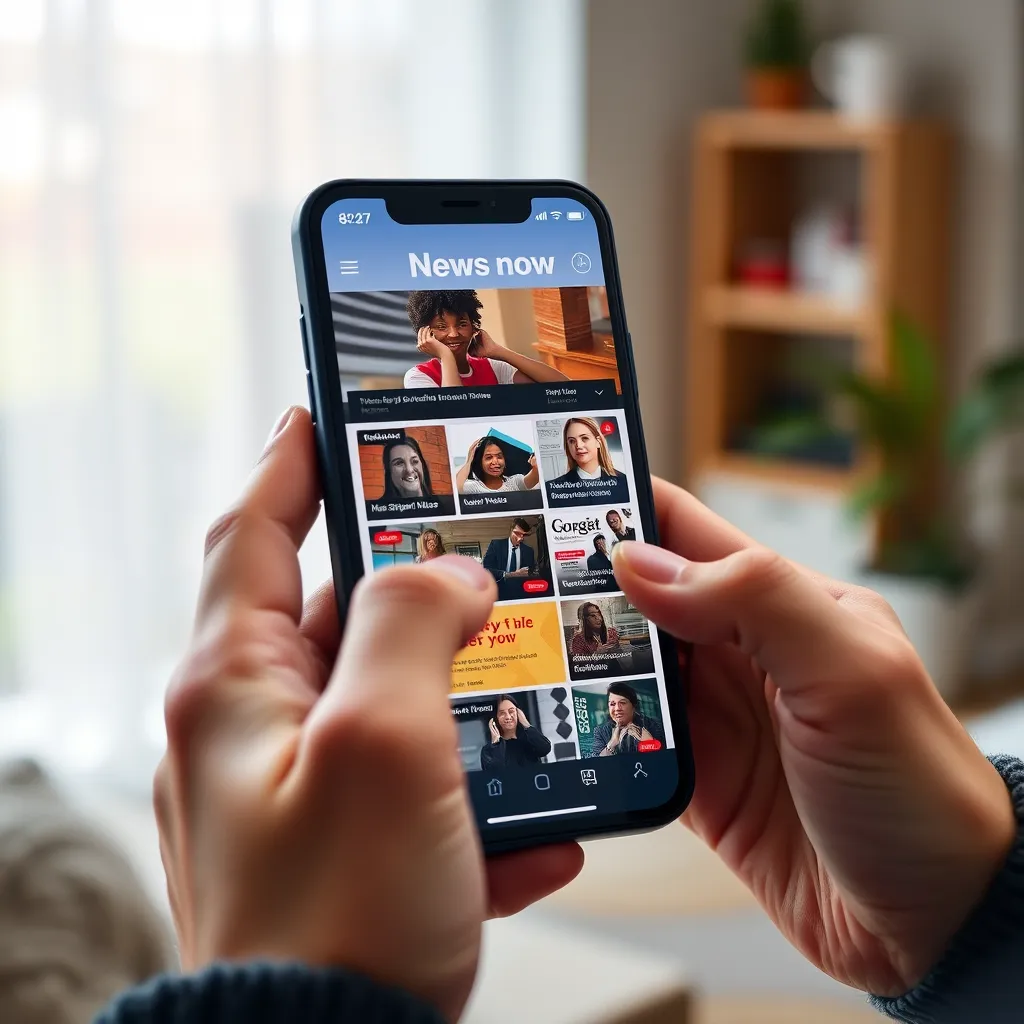
The user-friendly interface of News Now allows you to easily navigate through news categories and articles. Get the information you need quickly and efficiently, whether on desktop or mobile.
Latest Headlines: Your Daily Dose of News with News Now
Comprehensive Coverage
News Now prides itself on delivering comprehensive news coverage from around the globe. Users can access the latest stories in politics, health, technology, and more, ensuring they stay informed on critical global events.
Real-Time Updates
With News Now, users receive real-time updates that allow for timely insights into fast-changing news stories. This immediacy keeps users informed as events unfold, bridging the gap between news and the audience.

User-Centric Experience
News Now is designed with the user experience in mind, offering personalized news feeds based on individual preferences. Users can customize their news sources, ensuring they receive content that matters to them most.
Global Updates: What You Need to Know from News Now
Climate Change Developments

Recent reports highlight alarming climate change trends, with unprecedented weather patterns and increased natural disasters. Understanding these changes is crucial for global preparedness and environmental policy.
Geopolitical Tensions Rising
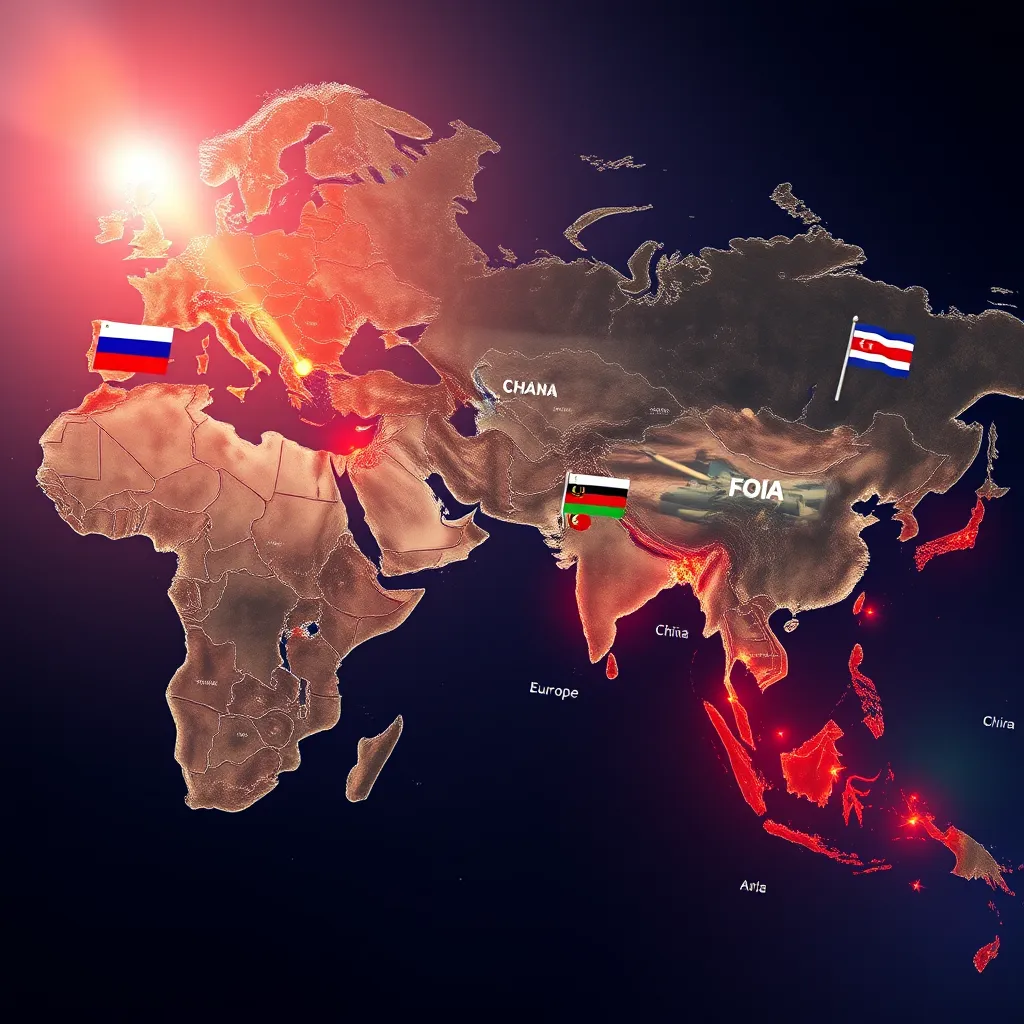
Tensions between major world powers have escalated, affecting international relations and global stability. Key regions to watch include Eastern Europe and the South China Sea.
Technological Innovations
The latest advancements in technology are transforming industries worldwide. Innovations in AI, renewable energy, and biotechnology are paving the way for a sustainable future.
What are the latest trends in German youth culture
The Evolution of German Youth Culture in 2025: Political Polarization, Digital Identity, and Cultural Transformation
Germany's youth culture is experiencing profound transformation in 2025, characterized by increasing political polarization, digital innovation, changing musical tastes, and evolving expressions of identity. Young Germans are navigating a complex landscape of political extremes, technological advancement, economic uncertainty, and cultural shifts that are reshaping what it means to be young in Germany today. This comprehensive analysis explores the multifaceted trends defining youth culture across Germany, from surprising political alignments to digital behaviors, fashion preferences, and the evolving music scene.
Political Polarization and the Surprising Rise of Far-Right Appeal Among Youth
Perhaps the most striking development in German youth culture is the increasing polarization of political views, with a significant and unexpected shift toward far-right politics among young voters. Recent polling indicates that Germany's youth is even more polarized than the rest of voters, with many young people expressing frustration with mainstream politics they perceive as aloof and out of touch. This disillusionment has created an opening for the Alternative für Deutschland (AfD) party, which has successfully positioned itself as an anti-establishment alternative appealing to youth voters.
The AfD has transformed from a regional to national force, with polls for the February 2025 federal election showing the party likely to secure second place with substantial support from young voters. European election results from last year revealed an 18% increase in 16-34 year-olds voting for the AfD, suggesting this trend is accelerating nationally. The party's appeal crosses traditional demographic boundaries, creating what some observers describe as a unique counterculture among young supporters.
One of the most notable aspects of this political shift is the emergence of young, social media-savvy influencers who have become the new face of the far-right movement in Germany. These youthful voices have infused the AfD with energy by embracing confrontation and provocative tactics that resonate with certain segments of German youth. Many of these young activists openly identify as right-wing and proudly display their political affiliation, creating a stark contrast with Germany's historical approach to far-right politics. Twenty-three-year-old Michelle Gollan, for example, has amassed nearly 200,000 YouTube subscribers with content that deliberately aims to "trigger people," reflecting a confrontational political style that appeals to some young Germans.
The attraction appears particularly strong among young men. In former East German cities like Suh, young faces can be seen among crowds gathering to hear controversial AfD figures like Björn Höcke, who has been found guilty of using Nazi terminology yet maintains significant youth appeal. One 26-year-old student described Höcke as an "idol," explaining that "it's also about the personalities... who embody certain values". This phenomenon reflects a complex realignment of political identities among some German youth who feel disconnected from mainstream political discourse.
Musical Landscapes: From Traditional Genres to AI-Enhanced Creation
Music continues to serve as a vital element in the lives of young Germans, with evolving preferences reflecting broader cultural and technological shifts. Rock and pop music maintain their dominance among German teenagers, with 85.1% expressing enjoyment of these genres. Hip-hop and rap follow closely behind at 79.6% popularity, while electronic music genres like techno and house also enjoy widespread appeal among 61.3% of young Germans. These preferences stand in stark contrast to traditional folk music, brass band music, and chansons, which resonate with only 4.2% of German youth.
The German music landscape in 2025 is being transformed by artificial intelligence, which has evolved from a mere production tool to a creative collaborator for musicians. AI technologies analyze massive amounts of data to create music that sounds increasingly human, exemplified by platforms like Spotify's AI DJ, which curates personalized playlists. Some German artists are embracing AI to push musical boundaries through techniques like "spawning," while others view the technology with skepticism. This AI revolution in music creation represents yet another area where technology is reshaping youth cultural expression.
Live music experiences remain valued by young Germans despite economic challenges and rising costs for performers and venues. A recent Spotify report found that 74% of young people attended a live concert or show in the past year, demonstrating continued enthusiasm for in-person musical experiences. Album listening parties and other alternative music events have gained popularity among German youth seeking communal music experiences without the high costs of traditional concerts. This evolution reflects young Germans' adaptation to economic realities while maintaining their connection to music culture.
Classical music training continues to hold relevance for some young Germans, particularly those with exceptional talent. The German Musical Instrument Fund Competition recently named its 2025 winners, with 34 young artists gaining access to quality string instruments, including those crafted by renowned makers like Stradivari and Guadagnini. For these young musicians, access to outstanding instruments is described as "enormously important" for developing their sound and artistic potential. While not representative of mainstream youth culture, this specialized area demonstrates the continued value some young Germans place on traditional musical education and excellence.
Fashion as Self-Expression: Minimalism Meets High-End Design
Fashion has emerged as a crucial mode of self-expression for German youth, with recent research indicating that 53% of Gen Z view fashion as their most vital tool for self-expression. This perspective drives high shopping frequency among young Germans, who use clothing choices to communicate identity and values. The current fashion landscape for German youth is characterized by hybrid collections that blend seemingly contradictory elements: minimalism, functionality, and high-end fashion aesthetics.
The fashion preferences of young Germans reflect their desire for authenticity and individuality in a digital world where personal branding has become increasingly important. Brands that position savvy shopping habits as a cool lifestyle choice are resonating with German Gen Z consumers, who are more financially conscious than previous generations. Simultaneously, there is a strong nostalgia trend, with brands across various sectors finding success by bringing back retro aesthetics, old technologies, and vintage toys.
Young Germans' fashion choices often align with their values around sustainability and ethical consumption. Many are opting for sustainable living practices, including supporting businesses with eco-friendly manufacturing processes. This environmental consciousness influences purchasing decisions across product categories, creating opportunities for brands that authentically embrace sustainability while avoiding the pitfalls of greenwashing that young consumers are quick to identify and criticize.
Climate Activism: Challenges and Evolution in 2025
Climate change remains a defining issue for young Germans, though the movement faces new challenges in 2025's political landscape. The Fridays for Future movement, which previously brought an estimated 1.4 million people to German streets in 2019, continues to organize protests but operates in a less supportive political environment. Climate issues have been overshadowed in recent political campaigns by heated debates on immigration, economic concerns, and the rise of the far-right, creating what one 19-year-old climate activist described as "definitely hard times for climate activism right now".
The public perception of climate activists in Germany has undergone a dramatic shift, described by one sociology professor as a "complete U-turn — from heroes in 2019 to villains today"15. This change reflects broader polarization in German society, with climate policies such as the expansion of wind power, the ban on new combustion engine cars, and the phasing out of fossil-fuel heating systems facing opposition from across the political spectrum. Young climate activists must now navigate this more hostile environment while maintaining their commitment to environmental action.
Despite these challenges, many young Germans continue to express their environmental values through personal lifestyle choices. They are increasingly opting for sustainable living practices such as reducing meat consumption, embracing public transportation or biking instead of cars, and supporting businesses with eco-friendly practices. This generation's commitment to sustainability is also driving innovation in green technologies and eco-conscious entrepreneurship, with young Germans launching ventures in renewable energy, sustainable fashion, and other environmentally focused sectors.
Travel Preferences and Tourism Trends Among Young Germans
Young Germans demonstrate distinctive travel preferences that reflect their digital savviness and cultural values. Different generations exhibit varying priorities when traveling, with Gen Z (18-26) heavily influenced by digital solutions and seeking seamless technology-powered experiences9. These younger travelers value instant booking options, digital itineraries, and the ability to manage their trips via apps and online platforms. The influence of social media on travel planning is particularly strong among younger Germans, with visual platforms like Instagram, TikTok, and YouTube serving as primary sources of inspiration.
Domestic tourism is experiencing a resurgence among young Germans, with 25% planning vacations within the country. Popular destinations include the Baltic Sea, North Sea, and Lake Constance, which appeal to those seeking relaxation and family-friendly environments. This trend toward local travel reflects both economic considerations and growing environmental awareness among young Germans who are increasingly conscious of the carbon footprint associated with international travel.
An interesting development in German travel patterns is the rise of multigenerational trips, with 17.8% of travelers including grandparents in their vacation plans. This trend underscores the importance many young Germans place on family connections despite their digital immersion and highlights the need for travel experiences that cater to diverse age groups. For tour operators targeting young Germans, offering family-friendly options that appeal to multiple generations has become increasingly important for success in this evolving market.
Youth Cultural Identity: Navigating Tradition and Progress
Young Germans in 2025 are actively reshaping what it means to be German, bringing fresh perspectives to social, economic, and political debates. Born into a country with a strong economy, stable democracy, and leadership role in Europe, today's German youth face new challenges from climate change to digital transformation. Their response to these challenges is creating a distinctive generational identity characterized by progressive values, technological fluency, and global mindedness that sets them apart from previous generations.
Financial concerns remain significant for German youth, with 61% expressing worry about their finances and career prospects. However, they generally maintain more confidence about their economic future than older generations, reflecting both optimism and adaptability in the face of uncertainty. This economic mindset influences many aspects of youth culture, from consumption patterns to career choices and political alignments.
Young Germans navigate a complex relationship with their country's history and national identity. While some embrace progressive, internationalist perspectives, others express anxiety about cultural change, with one 19-year-old quoted saying, "I would like to live in a country where I don't have to be afraid"6. This tension between embracing change and preserving tradition creates diverse expressions of German identity among youth, contributing to the political polarization evident in recent electoral trends...
Conclusion: A Youth Culture at a Crossroads
German youth culture in 2025 stands at a fascinating crossroads of tradition and transformation, digital innovation and human connection, political extremes and progressive values. The surprising attraction of far-right politics among some young Germans represents perhaps the most concerning trend, challenging assumptions about youth political orientation and raising questions about the future of German democracy. At the same time, young Germans continue to lead in areas like environmental consciousness, digital adoption, and cultural innovation.
The multifaceted nature of German youth trends reflects broader societal tensions. As Friedrich Merz prepares to become Germany's next chancellor with less than 30% of the vote, young Germans will play a crucial role in determining whether the country embraces more conservative positions or maintains its progressive trajectory on issues from climate policy to immigration. The vibrant digital youth culture exemplified by events like TINCON Berlin suggests continued creativity and engagement despite political challenges.
For businesses, educators, and policymakers seeking to connect with German youth, understanding these complex and sometimes contradictory trends is essential. Success will require addressing both the progressive digital natives passionate about sustainability and global connection and those feeling uncertain and drawn to more traditional or nationalist perspectives. As Germany continues to evolve, its youth will remain at the forefront of defining the nation's identity, balancing innovation with tradition and navigating the challenges of a rapidly changing world.

Breaking News Alerts
Real-time notifications on the latest news developments.

In-Depth Report Analysis
Comprehensive analysis and insights of current events.

Special Features and Investigations
Detailed investigations into pressing news topics.
DIGITALAGEISHERE
German youth in 2025 are digital natives whose identities and social connections are deeply intertwined with technology and social media platforms. According to recent data, Germany had 78.9 million internet users at the start of 2025, representing 93.5% of the population, with 65.5 million social media users accounting for 77.6% of Germans. This digital immersion shapes everything from how young people consume information to how they express themselves and connect with others.
The significance of digital culture among German youth is evidenced by events like TINCON Berlin 2025, the tenth iteration of Germany's conference for digital youth culture, scheduled for May 26-28, 2025, at Station Berlin. This youth-focused counterpart to the larger re:publica conference provides a protected space exclusively for 13-25 year-olds to network, exchange ideas with role models, and explore topics ranging from pop culture and lifestyle to internet politics and activism. The conference features talks, Q&As, workshops, gaming areas, and expo spaces dedicated to digital youth interests, highlighting the central role of digital culture in young Germans' identities.
Digital Transformation and Social Media's Influence on Youth Identity
Social media exerts tremendous influence on young Germans' consumer behaviors and travel decisions. Research indicates that 69.3% of German travelers are inspired by social media when planning trips, particularly platforms like Instagram, TikTok, and YouTube. This influence is most prominent among Gen Z and Millennials, who rely heavily on visual content and peer recommendations. For younger generations, the digital experience extends beyond mere convenience to become an expectation, with 75% of German travelers valuing easy access to travel information through apps and emails.
The younger generations demonstrate distinct digital preferences compared to their older counterparts. Gen Z (18-26) and Millennials (27-44) are heavily influenced by digital solutions, seeking seamless technology-powered experiences, instant booking options, digital itineraries, and app-based trip management. In contrast, Baby Boomers (59-77) place greater emphasis on personal interaction, with 71% prioritizing personal service compared to 57% of all global travelers. This generational digital divide represents a fundamental shift in how young Germans engage with the world around them.
Stay updated with the latest news and insights. Join us at NEWS.JETZT!
Stay Informed, Stay Ahead
Get the most recent updates from the world of news. Connect with us at NEWS.NOW!
NEWS.JETZT
© Copyright 2025
 Powered By MR. NEWS